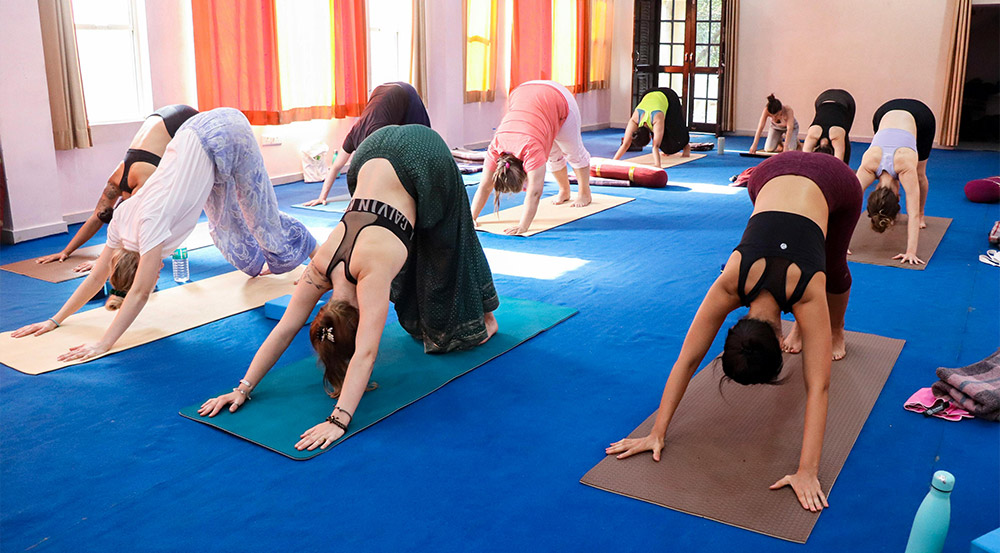

Yoga is often marketed as a gentle practice, but anyone who has stayed consistent knows its effects can be profound. From increased flexibility and strength to sharper mental focus and emotional balance, yoga delivers real results, but only when practiced with the right frequency. This leads to one of the most common questions beginners and even experienced practitioners ask: How often should you practice yoga to actually see results?
The answer isn’t as simple as “every day” or “three times a week.” Real results depend on your goals, your body, your lifestyle, and how you practice. Let’s break it down honestly and practically.
Yoga 1–2 Times a Week: A Gentle Starting Point
Practicing yoga once or twice a week is ideal for complete beginners or people with very busy schedules. At this frequency, yoga acts more as maintenance than transformation.
What you can expect:
- Mild improvements in flexibility
- Temporary stress relief
- Better awareness of posture and breathing
However, progress will be slow. Muscles loosen during practice but often tighten again between sessions. While this level of practice is better than none, it may not produce noticeable long term changes in strength or flexibility.
Best for:
Beginners, seniors, people recovering from illness, or those using yoga as a supplement to other workouts.
Yoga 3–4 Times a Week: Where Results Become Noticeable
This is the sweet spot for most people. Practicing yoga three to four times a week allows the body to adapt without feeling overwhelmed. At this frequency, yoga begins to work at a deeper physical and mental level.
What you can expect:
- Visible improvements in flexibility and balance
- Stronger core and stabilizing muscles
- Reduced stress levels throughout the week
- Better posture and breathing habits
At this stage, muscle memory develops. The nervous system learns to relax more quickly, and the body holds onto the benefits between sessions.
Best for:
People aiming for overall fitness, mental clarity, stress reduction, and steady progress.
Yoga 5–6 Times a Week: Deep Physical and Mental Transformation
Practicing yoga almost daily creates consistent neurological and muscular adaptation. This is where yoga stops feeling like an activity and starts becoming a lifestyle.
What you can expect:
- Significant gains in strength, flexibility, and endurance
- Improved digestion, sleep quality, and energy levels
- Greater emotional stability and focus
- Better control over breath and mind
Daily practice doesn’t mean intense sessions every day. Alternating between strong flows, gentle stretches, pranayama, and meditation prevents burnout and injury.
Best for:
Dedicated practitioners, yoga teachers, athletes using yoga for recovery, and people seeking holistic transformation.
Is Practicing Yoga Every Day Safe?
Yes, if done mindfully. Yoga is not about pushing harder each day. Overdoing intense styles without rest can lead to wrist, shoulder, or lower back strain.
A sustainable daily practice includes:
- Active yoga (Vinyasa, Ashtanga, Power Yoga)
- Gentle yoga (Yin, Hatha, Restorative)
- Breathwork and meditation days
Listening to your body is more important than following a rigid schedule. Rest days can still include conscious breathing or light stretching.
How Long Should Each Yoga Session Be?
Frequency matters, but so does duration.
- 20–30 minutes: Effective for consistency, stress relief, and mobility
- 45–60 minutes: Ideal for physical conditioning and flexibility
- 75–90 minutes: Suitable for advanced practice or deep exploration
Short daily sessions are often more effective than long, irregular ones. Consistency trains both body and mind.
Why Consistency Matters More Than Intensity
Yoga works by retraining the nervous system, muscles, and breathing patterns. These changes occur gradually through repetition. Practicing sporadically may feel good in the moment but doesn’t allow the body to integrate the benefits.
A calm, regular practice builds:
- Long term mobility
- Mental resilience
- Sustainable energy
Yoga isn’t about how much you do, it’s about how often you show up.
Common Mistakes That Slow Progress
Many people practice yoga frequently but still don’t see results due to:
- Skipping warm ups and cool downs
- Forcing flexibility too quickly
- Ignoring breath coordination
- Practicing inconsistently
- Comparing progress with others
True progress in yoga is subtle. Improvements often show up in daily life before they appear in poses.
Final Thoughts: So, How Often Should You Practice Yoga?
For real, lasting results:
- Minimum: 3 times a week
- Ideal: 4–5 times a week
- Transformational: Mindful daily practice
The best yoga schedule is one you can sustain without pressure or guilt. Yoga is not a race or a performance; it’s a lifelong conversation between your body and mind.
When practiced regularly, even simple poses can bring extraordinary change. Show up consistently, stay patient, and let yoga do what it has always done best: quietly transform you from the inside out.